
Production of iron ore and its products
Raw iron ore extracted from the mine cannot be used with the same initial composition. Therefore, steps must be taken to process the iron ore and separate it from the impurities present. To process this raw material, it is converted into concentrate or granulated iron ore. In granulated iron ore, the extracted raw material is crushed in several stages and converted into smaller pieces. In the next stage, the impurities present in those pieces are separated using magnetic methods and iron ore with a higher grade is obtained.
In other words, the extracted iron ore initially has a purity of 50 percent, but after processing it reaches a grade of 68 percent. This iron ore is also divided into two categories based on the size of the pieces: fines and lumps
What is iron concentrate?
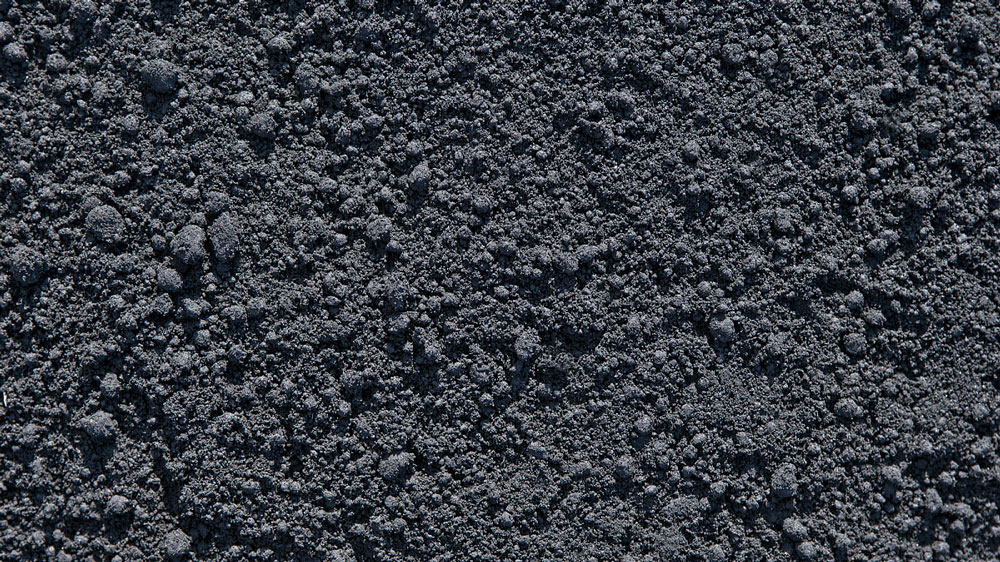
Iron concentrate is a secondary product of raw iron ore, which is in the form of a black powder. This method is used to increase the quality and grade of the extracted iron ore. Iron concentrate is also one of the raw materials in the production of sponge iron pellets and briquettes. The high-grade method does not produce any harmful substances to human health and nature, and there will be no waste at the end of the work. In addition, it takes less time and money to convert iron ore into concentrate; therefore, this production method is often considered by industry owners. Iron concentrate is called iron concentrate in English.
Iron ore concentrate production process and line
Concentrate is used to remove unnecessary and harmful substances from iron ore, as a result of which the iron grade is increased, its additional compounds are removed, and a black and uniform powder is supplied to industries. For this purpose, they use complex methods, which include crushing, grinding, enrichment, and dewatering. We will explain each of these stages in detail below.
1- Crushing Stage
Crushing is considered the first stage in the production of iron concentrate. In this stage, the incoming iron ore has dimensions between 20 and 100 centimeters, but after entering the crusher and crushing, it is reduced to a maximum of 25 centimeters. Also, with the help of a fixed grizzly screen, pieces smaller than 20 centimeters will be prevented from entering the machine. In the next stage, the pieces are fed into the screen and crushed using a conveyor. After several crushing stages, the iron ore is reduced to a size of about 30 millimeters.
2- Grinding stage
This stage is known as the wet process and the stones enter this stage to reduce the size to less than 1 mm. There are several different machines for the grinding stage, including semi-crushing mills, pressure rollers, self-crushing mills and ball mills. At the end of this stage, you will see a mixture of very fine grains floating.
3- Grading stage
In this stage, valuable particles must be separated from waste materials. In this stage, there is a device called a magnetic separator that passes the formed slurry over it. In the end, valuable and useful materials will stick to the drum and be separated from the waste particles.
4- Dewatering stage
This stage is performed to remove water from the fine iron ore particles. In this stage, with the help of a filter, all the water inside the particles is dried and a concentrate with a moisture content of less than 10% will be obtained. Thickeners and flocculants are also used to separate waste water. Since heavy objects collect at the bottom of the water container, waste particles will also go to the bottom of the container and accumulate there. With the help of flocculants, those particles stick together more quickly. Finally, the waste particles will be collected in the waste container with the help of a collecting arm and a pump.